


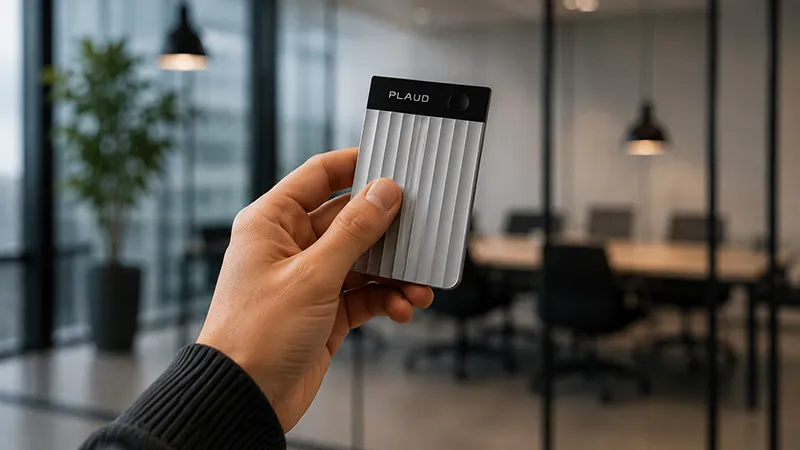
AI voice recorders have quickly become a common tool for everything from meetings and interviews to lectures and everyday notes. But the same question almost always comes up: is it actually legal to record conversations in Sweden?
The short answer is yes - in many cases. But there are also important limits to know, especially in workplaces and when recordings contain personal data. Here, we go through what actually applies to conversation recording, GDPR, and meetings at work.

Can you legally record conversations in Sweden?
In Sweden, what is often called “one-party consent” applies. This means that you can normally record a conversation if you are taking part in it yourself. So you usually do not need to ask the other participants for permission in advance.
This applies to, for example:
- Phone calls
- Digital meetings
- In-person meetings at work
- Interviews
- Customer meetings
- Private conversations
This is something many people misunderstand. It is therefore not automatically illegal to record a meeting just because other people do not know about it - as long as you are part of the conversation yourself.
However, you may not record conversations between other people if you are not taking part yourself. In that case, it may instead be considered unlawful eavesdropping, which is a crime under Swedish law.
What counts as unlawful eavesdropping?
The line is fairly clear here. If you, for example:
- Hide a recording device in a room
- Record colleagues without taking part yourself
- Eavesdrop on phone calls between other people
…it may be considered unlawful eavesdropping.
The important thing is whether you are an active part of the conversation or not.
Can you record meetings at work?
Legally speaking, you can normally record a meeting you are attending yourself. This may include performance reviews, sales meetings, customer meetings, or digital video meetings.
But even if the recording itself is legal, that does not automatically mean it is always appropriate in a workplace. Many companies have their own policies on confidentiality, information handling, and recordings.

In some professions, sensitive information or professional secrecy can also make the situation more complicated. That is why it is often wise to be open about the recording, especially in recurring meetings or professional settings.
How does GDPR work for conversation recording?
This becomes especially important for companies and professional use.
The recording itself may be legal, but if the material contains personal data, it is often also covered by GDPR. This is especially true if the recording:
- Is stored for a longer period
- Is shared further
- Is transcribed
- Is uploaded to cloud services
- Is used within a company
So GDPR is mainly about how the information is handled after the recording.
For companies, it is therefore important to have clear routines, secure storage, and control over who has access to the material. Many modern AI recorders today offer features such as encryption, password protection, and secure cloud storage to make this easier.
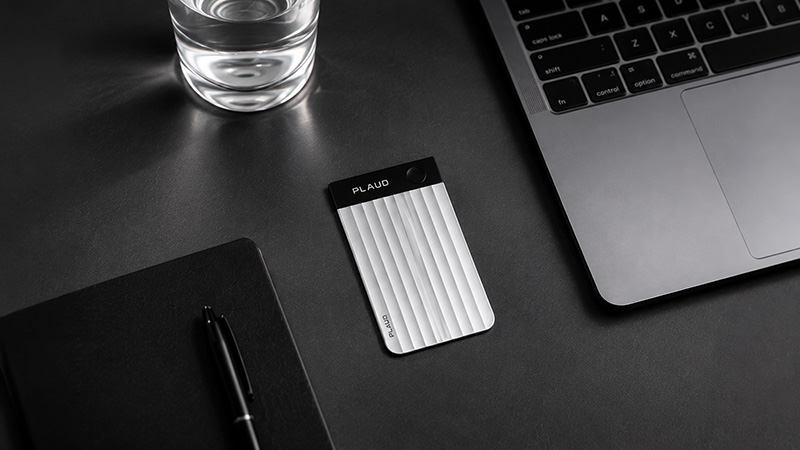
Checklist before you record a meeting
Before you hit rec, it may be worth quickly thinking through a few things:
Am I taking part in the conversation myself? Does the meeting contain sensitive information? Are there internal rules or policies? Will the recording be saved or shared further? Do the participants need to be informed? Is the material being handled securely?
Summary
Recording conversations legally in Sweden is fully permitted in many cases, especially if you are taking part in the meeting or phone call yourself. But it is important to distinguish between the recording itself and how the material is later used, stored, and shared further.
For companies and professionals, data security, GDPR, and clear routines are at least as important as the recording itself.
FAQ - common questions about conversation recording in Sweden
Is it legal to record conversations in Sweden?
Yes, in many cases. If you are taking part in the conversation yourself, you can normally record it without asking the other participants for permission.
Can you record meetings at work?
Often yes, if you are taking part in the meeting yourself. But many workplaces have their own rules and policies regarding recordings, confidentiality, and information handling that also need to be followed.
Can you record phone calls?
Yes, if you are part of the phone call yourself, it is normally legal to record it in Sweden.
Are AI voice recorders legal to use?
Yes. AI voice recorders work legally in the same way as other recording devices. The important thing is how and when the recording takes place, and how the material is handled afterward.
Is it safe to store recordings in the cloud?
It can be safe if the service uses encryption and clear security routines. For companies, it is important to choose solutions with a focus on data security and GDPR compliance.