


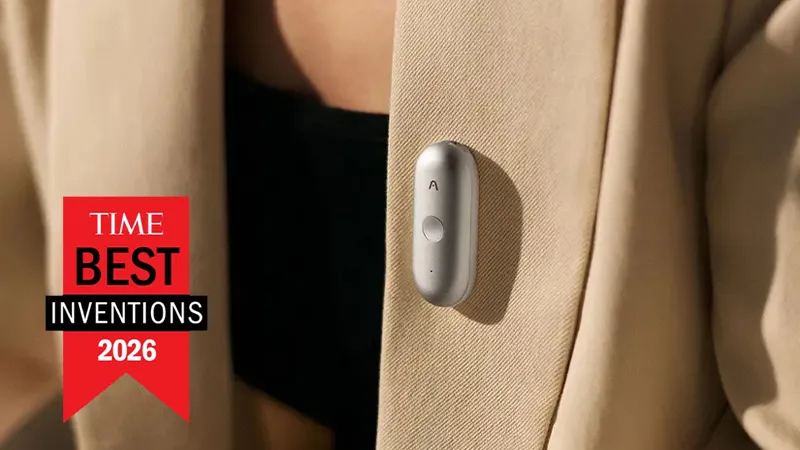
Plaud NotePin S has earned a place on TIME’s prestigious Best Inventions of 2026 list. The small, wearable AI device is recognized for its ability to record conversations, turn speech into text, and create useful summaries. The award is another recognition for Plaud and the company’s ambition to make artificial intelligence a natural part of the workday.
Each year, the American magazine TIME publishes its list of the year’s most significant innovations. In 2026, a total of 300 inventions are being recognized for changing the way we live, work, and use technology in different ways. Among this year’s selected products is Plaud NotePin S, which has been awarded a place in the Consumer Electronics category. For Plaud, the recognition marks another milestone in the company’s evolution from AI-based note-taking technology to intelligent work tools that help people make the most of information from everyday conversations.
A small AI assistant that captures what matters
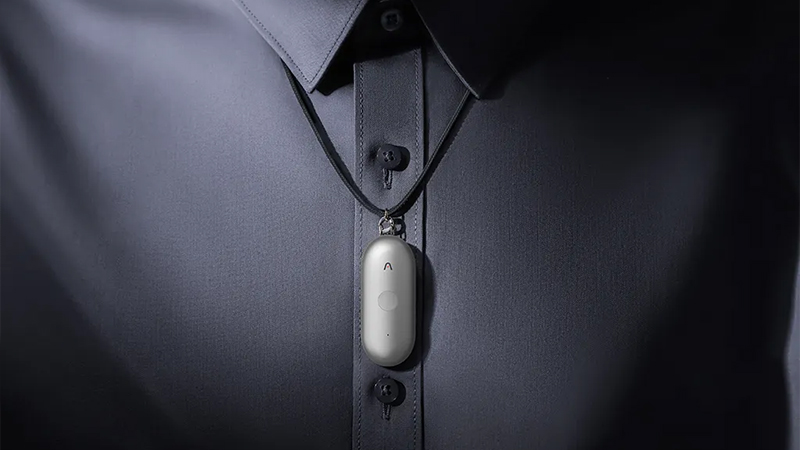
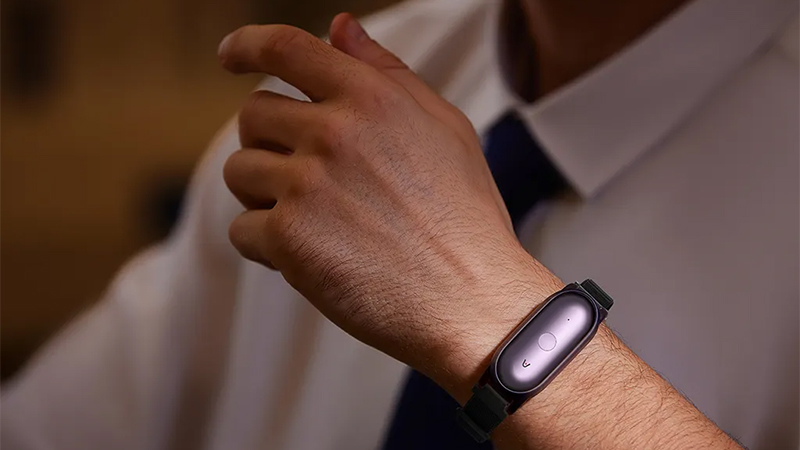
Plaud NotePin S is designed to make it easier to document conversations, meetings, and spontaneous ideas without having to reach for your phone or take notes by hand. The compact device can, for example, be clipped to clothing or worn around the neck, making it easy to access throughout the workday.
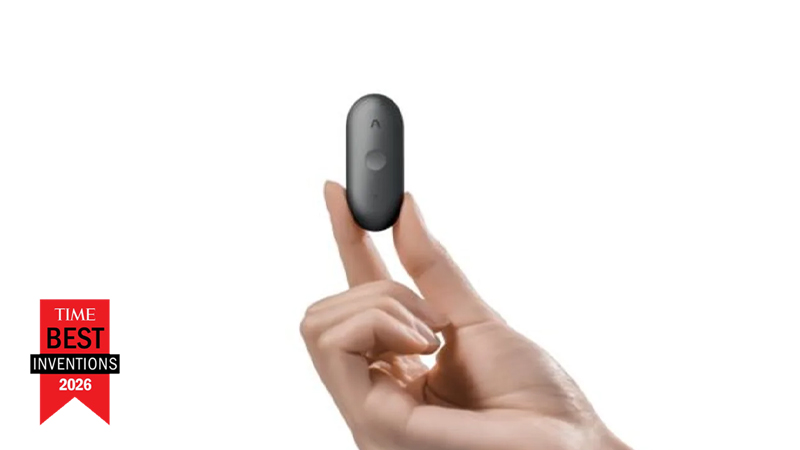
With the press of a button, recording starts. The audio can then be processed using Plaud’s AI platform, which turns speech into text and organizes the content into summaries, key insights, and concrete follow-up items.
This means users can focus on the conversation itself instead of trying to remember every detail. Whether it’s a client meeting, a lecture, or an idea that comes up during the day, the information can be saved and processed later.
TIME highlights the potential of personal templates
In its citation, TIME describes Plaud NotePin S as a small digital stenographer that discreetly captures conversations and makes the information useful through AI-based transcription and summarization.
One feature that receives particular attention is Plaud’s Template Community. Introduced in the summer of 2026, it allows users to create and share their own templates for how recorded information should be summarized.
Previously, Plaud offered a number of ready-made templates for different situations and professional groups. With Template Community, users can contribute solutions tailored to more specific needs.
This could, for example, involve how meeting minutes should be structured, which details should be highlighted after an interview, or how notes from a lecture should be organized.
In this way, the same recording can be turned into different types of documentation depending on the user’s needs.
Technology that lets people stay present
A central idea behind Plaud NotePin S is that technology should help people stay more present in conversations, rather than steal their attention.
Nathan Xu, co-founder and CEO of Plaud, describes TIME’s recognition as an important confirmation of the company’s vision. According to Xu, much of the most valuable information still lives in conversations between people, and Plaud’s ambition is to make that information accessible and useful.
It is also an important part of the company’s continued development. Plaud wants to go beyond traditional transcription and create AI-based work tools that not only document what is said, but also help users understand the information and turn it into action.
Another milestone for Plaud
Since launching in 2023, Plaud has grown rapidly and now says its products and services are used by more than 2.5 million people worldwide.
Having Plaud NotePin S recognized by TIME shows how wearable AI technology has become an increasingly relevant option for people who want to document information without changing the way they work.
For users, it ultimately comes down to something quite simple: being able to focus on the conversation while knowing that important details will still be there when the meeting is over.
Why is Plaud NotePin S so good?
What is Plaud NotePin S?
Plaud NotePin S is a compact, wearable AI device used to record conversations, meetings, and spoken notes. The recordings can then be processed in the Plaud app, where AI helps create transcripts, summaries, and structured notes that can be used in day-to-day work.
How does the AI transcription in Plaud NotePin S work?
Once a conversation has been recorded, the audio is transferred to Plaud’s platform for processing. The AI technology turns speech into written text and can then identify key topics, summarize discussions, and highlight tasks that need follow-up. Users can choose different templates depending on the type of documentation needed.
Which languages can Plaud NotePin S transcribe?
Plaud’s AI platform offers transcription in a large number of languages, including Swedish and English. That makes NotePin S useful in both local meetings and international settings. Language support is tied to Plaud’s software and can develop over time through service updates.
Do you need a subscription to use Plaud NotePin S?
Plaud offers different subscription tiers for its AI features, including a free tier with a limited amount of transcription time. Paid plans provide more transcription time and additional features. Which subscription is best mainly depends on how often the device is used and how extensive the recordings are.
What makes Plaud NotePin S different from other Plaud devices?
NotePin S is specifically designed to be worn on the body and used quickly when a conversation or idea needs to be documented. Other Plaud devices, such as Plaud Note and Note Pro, have different designs and use cases. NotePin S is especially suited to users who want a small, easy-to-access recording device during the workday.