



Most people associate AI note-taking with meetings. But there are many more times when it would be nice not to have to write everything down. From interviews and lectures to spontaneous ideas and important phone calls, Plaud can help you capture information, organize it, and find your way back to what really matters.
We’ve probably all been there. Someone says something really interesting, but before you’ve had time to pull out your phone and write it down, the conversation has already moved on. Or you’re in a meeting, trying to take notes while you’re supposed to listen, think, and contribute your own ideas. With an AI note-taker from Plaud, you can record the conversation instead and let AI help with transcription and summaries afterward. Here are five situations where it can be especially useful.
1. When the meeting contains more details than you can write down
A regular work meeting can quickly fill up with decisions, questions, dates, and tasks that someone needs to take responsibility for. The problem is that it is not always clear which details will matter until the meeting is over.
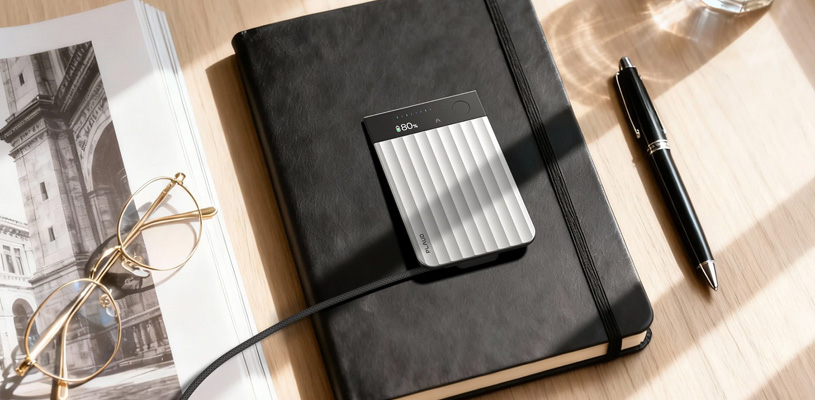
With Plaud Note Pro or NotePin S, for example, the conversation can be recorded and then turned into searchable text. AI can also help summarize the discussion and highlight key points. That makes it easier to follow up on the meeting without having to rely entirely on memory or your own notes.
2. When you are interviewing someone and want to stay present
Anyone who works in journalism, communications, or research knows how difficult it can be to interview someone while also taking notes. You need to listen carefully, ask follow-up questions, and at the same time try to catch those really good turns of phrase.

That is where Plaud can be a practical support. By recording the interview and transcribing it afterward, you get material that can be read, searched, and edited. You can focus on the person in front of you and then use the original recording to check exact wording and quotes before publication.
3. When a lecture gives you more ideas than you expected
Lectures, training sessions, and conferences can contain plenty of useful information. But after a long day, it is not always easy to remember what was actually said during the different presentations.
With Plaud, when recording is allowed, you can capture the lecture and later create an overview of the content. That makes it easier to review important parts or go back to an argument you want to look into more closely.

It can be especially useful when a speaker is covering a complex topic or introducing many new concepts in a short amount of time.
4. When a good idea appears at exactly the wrong time
Not all good ideas are born in front of a computer. Sometimes they come during a walk, between two meetings, or just as you are on your way somewhere. And if you do not capture them right away, there is a risk they will disappear just as quickly.
A portable model like Plaud NotePin S can be useful in situations like these. It can be worn on your body and has a physical button for starting and stopping recordings. You can speak your thoughts aloud and then let Plaud turn them into text you can work with.
That might be anything from article ideas and project planning to a reminder about something you want to look into later.
5. When a phone call contains important agreements
Sometimes it is during a phone call that the most important details come up. A customer describes a request, a partner walks through a change, or someone gives several instructions in a short time.
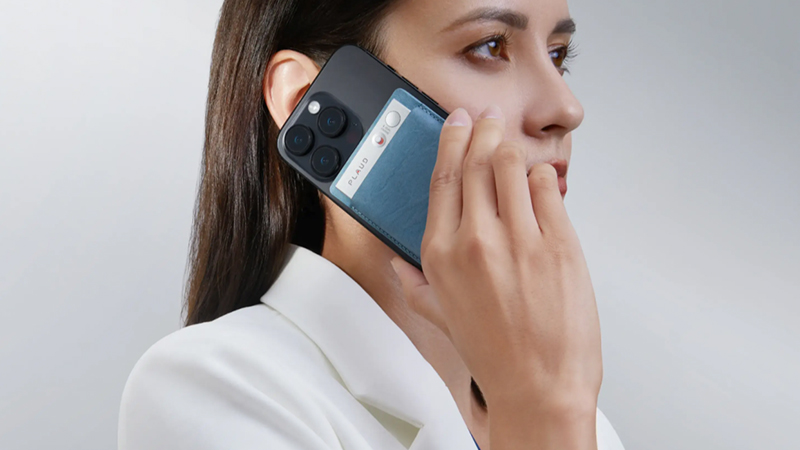
The Plaud Note series is designed to capture both in-person meetings and phone calls. Afterward, the recording can be transcribed and summarized, making it easier to check what was discussed and which points need follow-up.
As always, it is important to follow the applicable rules and workplace procedures for recording and handling personal data.
From recording to something you can actually use
The real value of an AI note-taker is not the recording itself. It is what you can do with the information afterward. With Plaud, you can turn conversations into text, get help creating summaries, and search for things that would otherwise easily get lost among old notes.
And perhaps that is where the biggest benefit lies. Not in documenting absolutely everything, but in being more present in the moment while still being able to go back to the information when you need it.
FAQ
What can I use Plaud for besides meetings?
Plaud can be used in many situations where you want to capture spoken information. That might include interviews, lectures, phone calls, and your own voice notes. After recording, you can get help transcribing the content, creating summaries, and finding important details.
Can Plaud transcribe conversations in Swedish?
Yes, Plaud supports transcription in Swedish and many other languages. That means you can use the device in both Swedish and international settings. The result can be affected by factors such as background noise, dialects, and how clearly the participants can be heard in the recording.
What is the difference between Plaud Note Pro and NotePin S?
Plaud Note Pro has a slim design that works well with a mobile phone and can be used for both phone calls and meetings. NotePin S is a smaller, portable model that is a good choice when you want a note-taker that is easy to keep close at hand throughout the day.
Can Plaud summarize longer recordings?
Yes, one of Plaud’s core features is creating AI-based summaries from recordings. That can make it easier to get an overview of, for example, a longer meeting or lecture. Important details should always be checked against the transcription or original recording.
Do I need to ask before recording someone?
It depends on the situation, who is involved, and how the recording will be used. Even when recording is allowed, rules about personal data and confidentiality may apply. It is therefore wise to inform participants and follow the procedures that apply in your workplace.